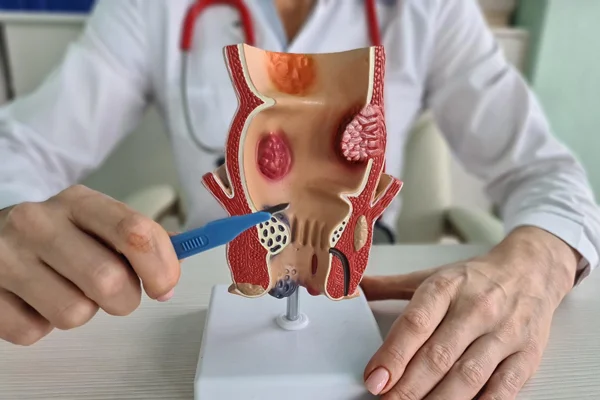
An anal fistula is an abnormal tunnel or passage that develops between the anal canal and the skin around the anus. It usually forms as a result of an infection or abscess near the anus and can cause persistent pain, swelling, pus discharge, and discomfort while sitting or passing stools. If left untreated, an anal fistula can lead to recurrent infections and significantly affect a person's quality of life.
If you are looking for Laser Treatment for Fistula in Pitampura, Dr. Manish D Sharma offers advanced and minimally invasive laser procedures that provide effective treatment with less pain and faster recovery. Laser technology has transformed fistula management by allowing precise treatment of the infected tract while preserving the surrounding muscles and tissues.
Early diagnosis and timely treatment are important to prevent complications and ensure long-term relief from symptoms.
What Is an Anal Fistula?
An anal fistula is a small tunnel that forms between the infected gland inside the anus and the skin surrounding the anal opening. Most fistulas develop after an anal abscess that fails to heal completely.
The condition often causes repeated infections because the tract remains open and continues to discharge pus or fluid.
Anal fistulas can vary in complexity and are classified as:
Simple Fistula
A simple fistula has a single tract and involves a limited portion of the anal muscles.
Complex Fistula
Complex fistulas may have multiple branches, involve deeper tissues, or pass through important anal sphincter muscles.
Proper diagnosis is essential to determine the most suitable treatment approach.
Symptoms of Anal Fistula
The symptoms of an anal fistula may develop gradually and often worsen over time.
Common symptoms include:
If these symptoms persist, medical evaluation is essential to avoid complications.
Causes of Anal Fistula
Several conditions can increase the risk of developing a fistula.
Anal Abscess
This is the most common cause. When an infected gland forms an abscess and does not heal properly, a fistula may develop.
Chronic Infection
Persistent infections around the anal area can lead to fistula formation.
Crohn's Disease
This inflammatory bowel disease increases the risk of fistulas.
Tuberculosis
In rare cases, tuberculosis can cause anal fistulas.
Trauma or Surgery
Previous anal surgeries or injuries may contribute to fistula development.
Radiation Therapy
Radiation to the pelvic area may occasionally lead to fistula formation.
When Is Laser Treatment Recommended?
Laser treatment is generally advised when:
An experienced surgeon evaluates the fistula's location and complexity before recommending laser surgery.
What Is Laser Treatment for Fistula?
Laser Treatment for Fistula is an advanced minimally invasive procedure that uses laser energy to close and destroy the fistula tract from inside.
A special laser fiber is inserted into the fistula tract. The laser emits controlled energy that seals the tract and destroys infected tissue while preserving the surrounding muscles.
Unlike traditional fistula surgery, laser treatment focuses on:
The procedure is usually performed as a daycare surgery, allowing patients to go home the same day.
Benefits of Laser Treatment for Fistula
Laser surgery offers several advantages over conventional surgical methods.
Minimally Invasive Technique
No large cuts or stitches are required, resulting in less trauma to surrounding tissues.
Minimal Pain
Most patients experience significantly less pain compared to open surgery.
Preservation of Muscles
Laser treatment helps preserve anal sphincter muscles and lowers the risk of bowel control problems.
Minimal Bleeding
Laser seals blood vessels during treatment, reducing blood loss.
Faster Recovery
Patients generally recover more quickly and return to normal activities sooner.
Lower Risk of Infection
Minimal tissue damage helps reduce postoperative complications.
Daycare Procedure
Most patients are discharged on the same day.
Laser Treatment Procedure
Initial Consultation
Dr. Manish D Sharma performs a detailed examination and reviews your symptoms and medical history.
Diagnostic Evaluation
Additional tests may be advised, including:
These investigations help identify the exact location and complexity of the fistula.
Administration of Anesthesia
The procedure is performed under local, spinal, or short general anesthesia.
Laser Surgery
A thin laser probe is inserted into the fistula tract. Laser energy is then delivered gradually while withdrawing the probe, sealing the tract from inside.
This process destroys infected tissue and closes the abnormal passage.
Completion of Procedure
The surgery generally takes around 30 to 60 minutes, depending on the complexity of the fistula.
Discharge
Patients are observed for a short period and usually discharged on the same day.
Recovery and Aftercare
Recovery after Laser Treatment for Fistula is generally smooth and comfortable.
Maintain Proper Hygiene
Keep the anal area clean and dry to prevent infection.
Take Prescribed Medications
Complete the course of antibiotics and pain medications as advised.
Eat a High-Fiber Diet
A fiber-rich diet helps prevent constipation and reduces strain during bowel movements.
Drink Plenty of Water
Adequate hydration supports digestion and healing.
Avoid Heavy Activities
Avoid strenuous exercise and heavy lifting for a few weeks.
Attend Follow-Up Visits
Regular follow-up ensures proper healing and early detection of any recurrence.
Most patients return to their normal routine within a few days to weeks.
Can Anal Fistula Be Prevented?
Although not all fistulas can be prevented, certain measures may reduce the risk.
Preventive tips include:
Early treatment of infections can help prevent fistula formation.
Why Choose Dr. Manish D Sharma?
Successful fistula treatment requires expertise, accurate diagnosis, and advanced technology.
Dr. Manish D Sharma is experienced in treating anorectal disorders using modern laser techniques that focus on safety and faster recovery.
Reasons to choose Dr. Manish D Sharma include:
Each patient receives individualized care to ensure the best possible treatment outcome.
Conclusion
Anal fistula is a painful condition that can lead to repeated infections and affect daily life if left untreated. Fortunately, modern laser technology provides a safe and effective solution with minimal discomfort and faster healing. Laser Treatment for Fistula in Pitampura offers excellent results while preserving normal anal function and reducing recovery time.
Dr. Manish D Sharma provides advanced laser treatment with a patient-centered approach, helping patients achieve lasting relief and improved quality of life. Early treatment can prevent complications and ensure a smoother recovery.
FAQs
1. Is Laser Treatment for Fistula painful?
Laser treatment is minimally invasive and generally causes much less pain compared to traditional fistula surgery.
2. Is hospitalization required?
Most laser fistula procedures are daycare surgeries, and patients can usually return home the same day.
3. How long does the surgery take?
The procedure generally takes around 30 to 60 minutes depending on the complexity of the fistula.
4. How soon can I return to work?
Most patients can resume normal activities within a few days, although recovery may vary from person to person.
5. Can fistula recur after laser treatment?
Laser treatment offers excellent success rates, but regular follow-up and proper care help minimize the risk of recurrence.


Write a Reply or Comment